
The HR team is responsible for more than just recruiting staff and managing the attendance system of workers. Every employee is required to have a file that contains their personal information, salary, vacations, paperwork, perks, and statutory compliance. If all these particulars are scattered across spreadsheet applications, e-mail, and other software, even a minor change is going to take a lot of time.
That’s when Core HR system steps in. It gathers all the crucial aspects of employee management into one system, simplifying HR work within the company. Whether you manage 30 employees or 3,000, reliable employee data makes HR work easier and helps your team spend less time chasing missing information or fixing avoidable mistakes.
What Is Core HR Software?
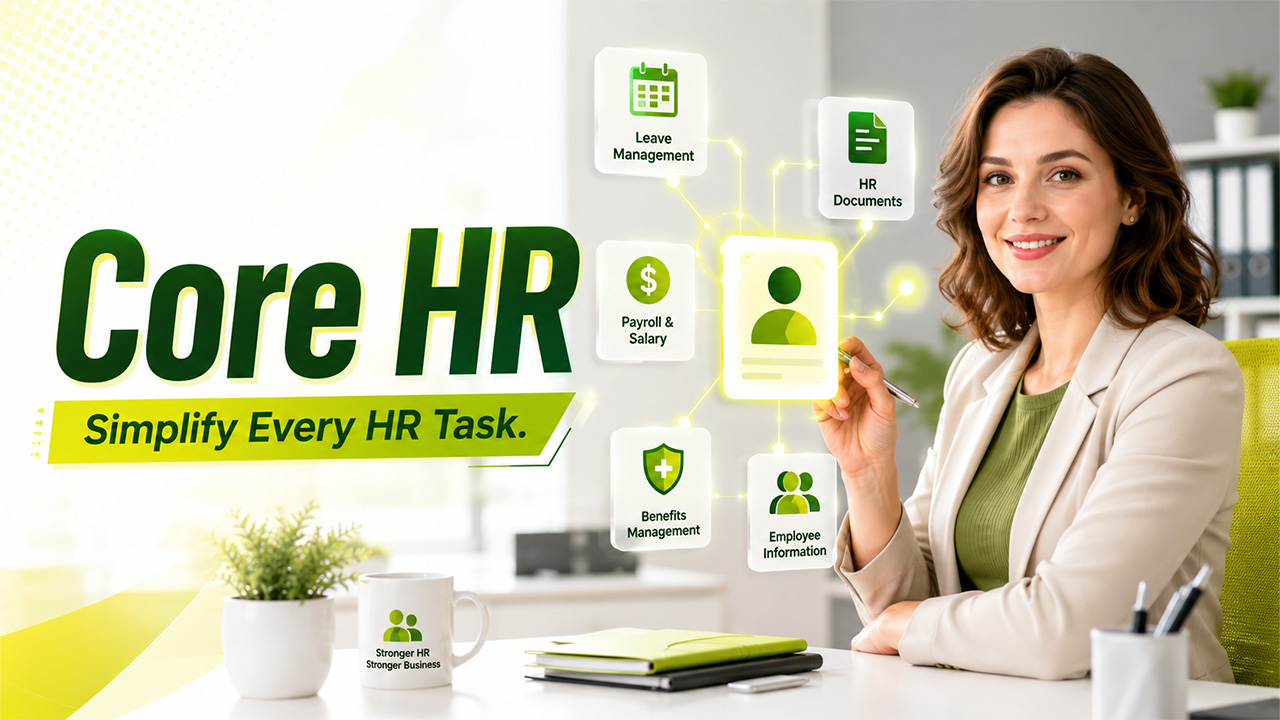
Core HR contains the fundamental tasks and employee data that an organization requires for managing its employees. It keeps significant records together and assists with a lot of the standard activities that human resource professionals must perform during the career of an employee.
Think of it as the central record for your staff. The human resources department does not need to go through three tables, look for old emails, or ask anyone for information about an employee.
What Information Does It Manage?
A typical setup can include:
- Employee names and contact details
- Job titles and employment status
- Salary and compensation records
- Attendance and leave information
- Employee benefits
- Contracts and other HR documents
- Training and performance records
- Compliance-related information
Key Functions of Core HR Software
The useful part of an HR platform isn’t just storing names and job titles. It also helps your team deal with the routine work that comes with managing employees.
| Function | Description |
| Employee Records | Stores employee details, job information, salary records, documents, and employment history in one place. |
| Payroll | Keeps salary, deductions, tax details, and other compensation information organized for payroll processing. |
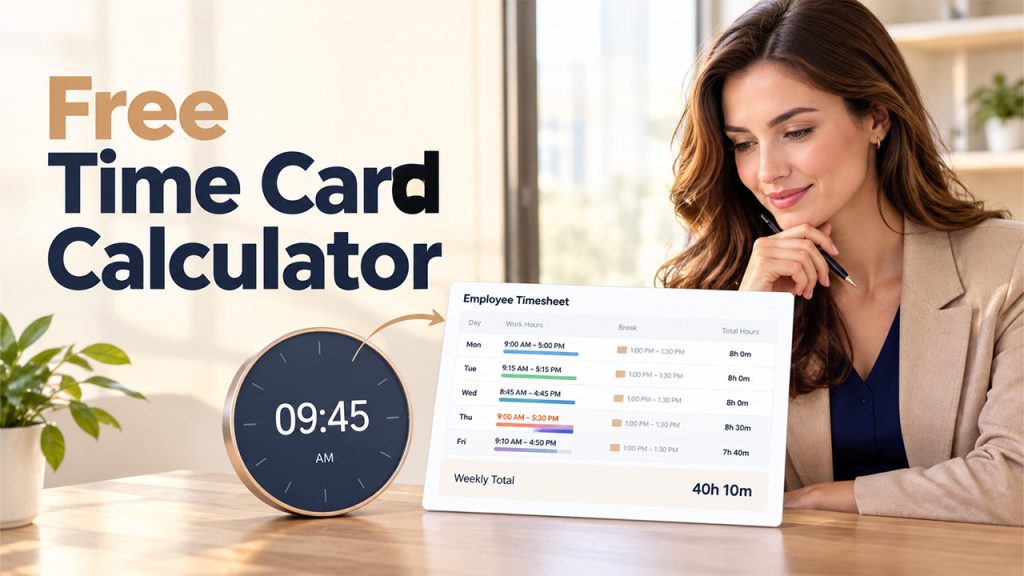
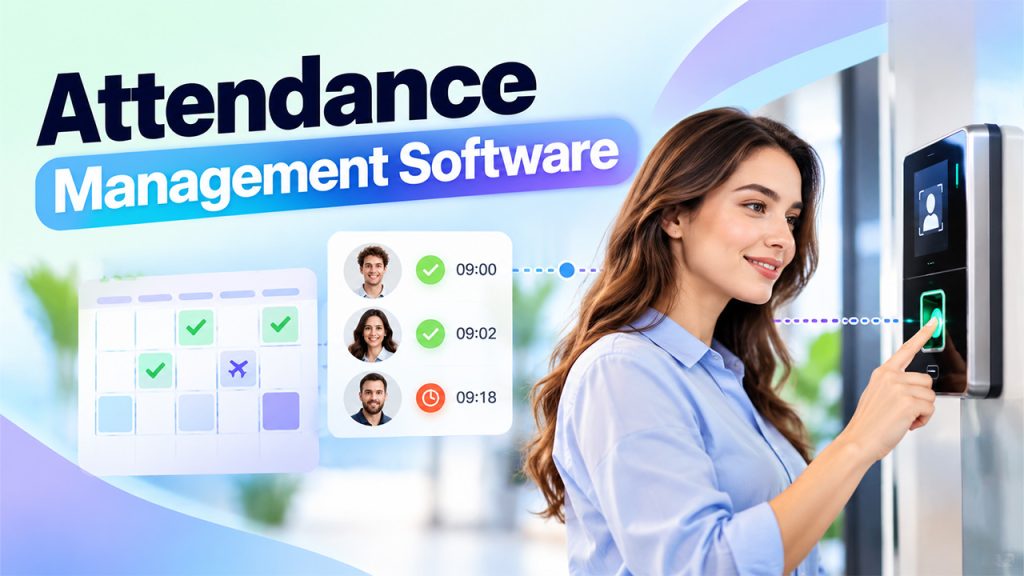
| Leave & Attendance | Tracks attendance, working hours, leave balances, holidays, and employee leave requests. |
| Benefits | Keeps records of employee benefits and helps HR manage eligibility and related information. |
| Compliance | Helps HR maintain important employee records and documents needed for internal and legal requirements. |
Why Is Core HR Software Important for an HR Management System?
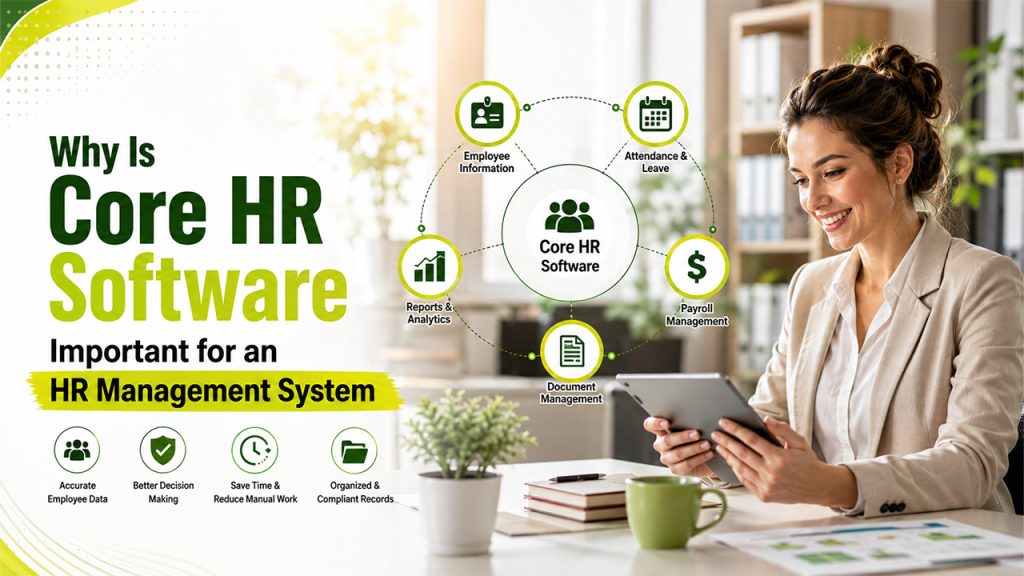
HR Management can handle a wide range of HR tasks, but all those features depend on having accurate employee information underneath. If the basic data is messy, other HR processes can quickly become messy, too.
Keeps employee information together
Imagine an employee changes their address. HR updates one spreadsheet but forgets another. Now two records show different addresses for the same person.
A central employee record helps prevent situations like this. Your team can check the same information instead of comparing several files.
Cuts down repeated work
HR teams often spend a surprising amount of time copying information from one system to another. A good HR software setup reduces some of that busy work by keeping employee information available across connected HR processes.
Gives HR better information
Managers often need basic workforce information before making decisions about staffing or team changes. If that information takes hours to collect, decisions can get delayed. With a central system, HR can find details such as department headcount, employee status, or leave information without building a fresh spreadsheet each time.
Helps with record keeping
Employee records need to stay organized and easy to access. A central system gives HR a consistent place to store documents and update employee information when something changes.
Benefits of Using Core HR Software
The main benefit isn’t simply having another HR tool. It’s making everyday work less fiddly for the people who use it.
Saves HR time:
Routine requests take less time when employees and managers can handle simple tasks themselves. HR also spends less time updating multiple records or answering questions about information employees can access on their own.
Data is more precise:
Having centralized sources of records makes tedious tasks of identifying inaccurate and duplicate data much easier. Suppose an employee needs to change his phone number. In that case, HR simply updates the main profile without having to search through all previous files for this information.
Self-service gets a boost:
Instead of always sending a simple email to HR with a request to check something such as a vacation balance, employees can now have a chance to check this information themselves.
Reporting becomes easier:
When all workforce data is contained in one system, HR can work on reports without merging data from multiple spreadsheets.
Supports business growth:
A process that works for 20 employees can become frustrating when the workforce reaches 200 or more. It gives HR an easier way to manage employee records.
Mistakes to Avoid With Core HR Software
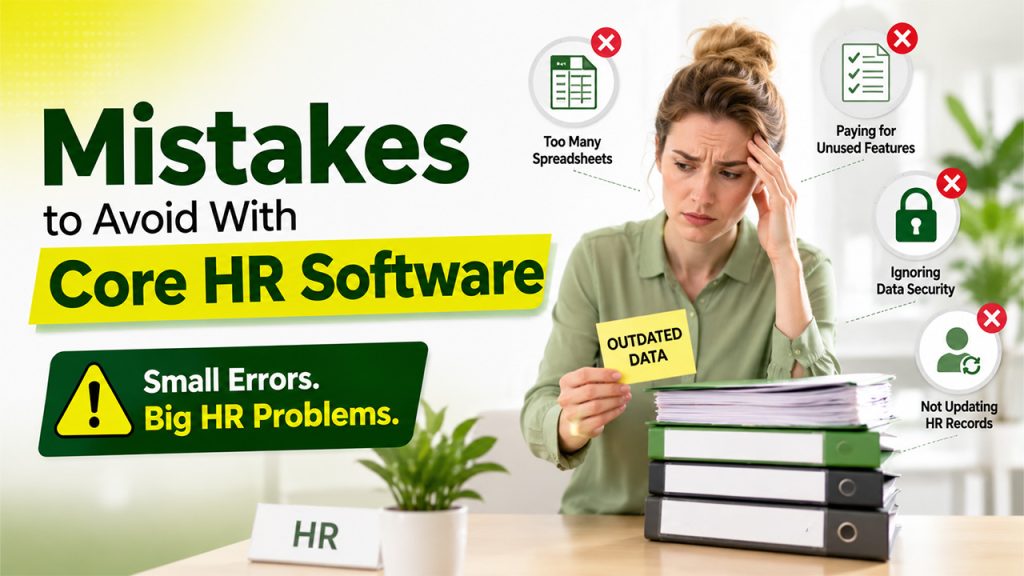
Just because you have chosen a system does not mean that it is going to solve the problems in HR processes. It is still necessary to configure the system properly and make sure that it is used correctly.
- An excessive reliance on spreadsheets may lead to mismanagement of employee records, including duplicate, missing, or obsolete files that may arise when you use many files at the same time.
- Making your decision on the software based on its long list of features can result in paying for the software that is rarely used by your team.
- Neglecting data security leads to the loss of confidential data related to employees. You need to address permission issues, access control, backup, and other security matters before using this system.
- Not updating your HR records makes them unreliable, especially when employees change their roles, salaries, contact information, or departments.
Conclusion
The bottom line is that it provides your HR department with an integrated way to handle the info of employees and day-to-day HR management. This software reduces repetitive work processes, enhances the accuracy of information, increases the simplicity of statistics, and assists with fulfilling minor requests made by employees.
The correct solution implemented in your organization serves as a single system to do several things; you don’t have to use a number of systems for each process separately. However, Core HR software is not a magic solution; your department should conduct good bookkeeping and have correct access rights and procedures with basic staff training in advance
Frequently Asked Questions
Is Core HR software compatible with Payroll Programs?
Yes, a connection is possible with payroll systems where essential details such as salaries and employee details can be exchanged, which not only ensures elimination of duplicate data entry but also ensures effective maintenance of payroll records.
Who benefits from the use of HR software?
Company HR teams take advantage of the software to keep employee files updated and manage typical day-to-day HR affairs. Other staff, such as managers and employees, enjoy using the software for approvals, reports, and keeping their personal information current.
Is this software suitable for small businesses?
Yes, small companies benefit greatly from implementing this programme, as it helps them keep their employee files in order and cuts down on repetitive manual HR work.
How does the Core HR system handle data security?
These platforms can protect employee information through permissions, access controls, encryption, backups, and audit records. These features help ensure sensitive information stays available only to authorized users.
What should you check before choosing Core HR software?
Check whether the software fits your workforce size, budget, HR processes, and existing tools. You should also consider integrations, security, ease of use, reporting, and employee self-service.